Volunteer in Africa
Walk on the wild side as you help to protect some of the world’s rarest and most vulnerable species.
From the grassland savannahs of South Africa to the ancient rainforests of Madagascar and the island beaches of Seychelles, Africa offers you not only some of the world’s remotest places, but also some of the most significant opportunities to contribute to the global fight against habitat loss, species extinction and marine pollution.
Volunteer in Africa
Picture Africa. You’ve probably pulled up images of sun-baked deserts, grassy plains and large animals lounging in pools of sun. Yes, volunteer work in Africa offers you ample opportunity to experience all of this, but in reality, there’s so much more to the African continent.
When you join a volunteer program in Africa you could see firsthand how rainforests creep out in every direction on the islands of Seychelles, where the year-round rainfall is high. You could assist in safeguarding endangered and critically endangered lemur species on the tropical island of Nosy Be in Madagascar. Or travel to a private game reserve in South Africa, home to lion, leopard, elephant, buffalo and rhino. Here you’ll work alongside an international research team and contribute to critical wildlife conservation work.
All of GVI’s volunteer programs are closely aligned with the United Nations Sustainable Development Goals (UN SDGs). Our programs focus on creating positive change through a variety of locally-led initiatives, including conservation and environmental sustainability, community development and education. We work in collaboration with a number of partner organisations, local communities and non-government organisations (NGOs) on the ground, including:
- Madagascar National Parks.
- Karongwe Game Reserve Association, Rhino Revolution, EarthRanger, Kruger2Canyons Biosphere and Wildlife Protection Solutions in South Africa.
- Seychelles Parks and Gardens Authority (SPGA), Seychelles Conservation and Climate Adaptation Trust (SeyCCAT) and Coral Watch.
Participants in our Limpopo wildlife volunteer programs have the opportunity to support community development initiatives alongside conservation efforts. Through GVI’s partnerships with local schools and education centres, participants contribute to educational projects, encouraging community engagement and connecting people with wildlife.
We offer sustainable and ethical volunteer opportunities in Africa with a focus on:
- Marine conservation
- Wildlife conservation
- Endangered species conservation
- Climate change
- Volunteering with animals
- Citizen science
In addition to our Planet-focused programs, you can also contribute to community-focused volunteer programs in Ghana, Madagascar, Tanzania or South Africa. Here, you can contribute towards achieving the UN SDGs by participating in programs focused on:
- Women’s empowerment
- Gender equality
- Justice, equity, diversity and inclusion
- Teaching
- Public health
- Sports
- Construction
- Early childhood development
- Business and micro-enterprise
In Ghana we work with various stakeholders, such as governmental bodies, community-based organisations, schools, and groups that focus on the empowerment of women and girls. We also support ChildSafe, a global child protection initiative.
GVI’s volunteer programs in Africa are community-led. This means that volunteers work in collaboration with the local community on projects identified by the community as important. By supporting on-the-ground partner organisations, GVI’s volunteer programs focus on addressing global issues in a sustainable way.
As a continent, Africa has the second largest population in the world. In spite of that, many African countries have a history of making their resources go further. Volunteer work in Africa will see you working in partnership with local communities and learning from them. This is an opportunity to find out about Africa from those who live there, and experience the wide variety of countries and cultures that make up the African population.
Filter programs
Contribute to sustainable conservation projects led by experts.
Use your unique skills and expertise to support conservation projects.
Generate solutions to help solve conservation challenges through research projects.
Turn your passion into your profession with a three-month placement at an NGO.
The adventure of a lifetime while making an impact with a group of like-minded teens.


Where can I volunteer in Africa with GVI?
Volunteer in Madagascar
The landscape of Madagascar is incredibly diverse and unique, shaped by millions of years of isolation from the African continent. The island is known for its lush rainforests, vast grassy plains, rugged highlands and stunning coastline. Notable geographic features of Madagascar include the Tsingy de Bemaraha, a labyrinth of sharp limestone formations, and the Avenue of the Baobabs, a row of iconic towering baobab trees. The island is also home to a rich array of wildlife, including lemurs, chameleons and a wide variety of bird species.
Nosy Be, a volcanic island, is situated off the northwestern coast of Madagascar. Our research station is located in Lokobe, one of Madagascar’s national parks on the southeastern coast of the island. This park is home to numerous unique species, such as the Hawks’ sportive lemur, dwarf frogs and chameleons that cannot be found anywhere else in the world. It contains a diverse range of ecosystems, including both marine and terrestrial areas, which provide habitats for an astonishing variety of species.
In Madagascar, we offer volunteer programs in wildlife conservation that involve gathering and analysing data on reptile, bird and mammal species native to the island. Our primary focus is on lemurs and chameleons.
Our lemur and wildlife conservation expedition in Madagascar covers two vital areas. Working in collaboration with Madagascar National Parks you’ll survey lemur species in Lokobe, focusing on the Hawks’ sportive lemur and mouse lemurs. We also work on conserving the endangered Nosy Be panther chameleon, monitoring its population to inform conservation strategies.
Our coastal conservation program lets you explore island and coastal biodiversity through snorkelling, contribute to conservation projects, and experience life at a remote research station. As a coastal conservation volunteer, you’ll explore marine and terrestrial environments, monitor vibrant coral reefs and wildlife and lead beach cleanup missions.
Our wildlife conservation programs in Madagascar offer volunteers the opportunity to contribute to important research and conservation efforts for endangered species while gaining valuable experience and knowledge in the field.
In Madagascar, we also offer several community development projects in various communities on Nosy Be, which focus on teaching English and empowering women.
The goal of our community development programs in Madagascar is to provide English language education, which can expand the job prospects of local community members. Our women’s empowerment projects aim to provide support and resources to women, such as education and training, to assist them in gaining financial independence.
Volunteers participating in our community development projects in Madagascar can actively make a significant impact on the lives of local community members. They also have the chance to gain valuable experience in teaching, leadership and cross-cultural communication.
Volunteer in South Africa
South Africa is situated at the southernmost tip of the African continent. Here you’ll get to experience savannah grasslands, rugged mountain terrains, and a long coastline of sandy beaches that is lapped by the waters of the warm Indian Ocean on one side and the cold Atlantic Ocean on the other.
There are a wide variety of Africa volunteer programs to get involved in if you’re eager to travel to South Africa. Volunteer jobs in Africa could take you to the capital city of Cape Town, or the less-populated province of Limpopo. These two locations offer volunteer programs in wildlife conservation, teaching and community development, public health, women’s empowerment, and even sports volunteering.
In the province of Limpopo, you could work alongside wildlife conservationists. Africa volunteer programs in Limpopo offer you the chance to experience the wilds of Africa while contributing to wildlife conservation in a meaningful way.
At our research station located in a private game reserve, grassy plains lay claim to the land. The distant peaks of the Drakensberg mountain range overlook the savannah, where lone trees and clumps of thorny bush are strewn across the wide-open space. This type of terrain is where you’ll find rhinos, buffalos, lions, leopards and elephants; also known as the Big Five. Look a little bit closer and you’re bound to see small mammals, reptiles and insects scurrying about too.
In Limpopo, volunteers can experience wildlife conservation in all its forms. Imagine going on a research drive on a route frequented by lions and cheetahs, while assisting with the monitoring of big cats. Picture spending each day raising awareness around rhino poaching and working to safeguard South Africa’s rhino population.
Now stop imagining and take a look at the variety of wildlife conservation and wildlife research programs that GVI offers from our research station in Limpopo.
If you’re all about marine conservation, our shark, whale and penguin conservation program in Gansbaai has got you covered! Located on the epic Cape Whale Coast, Gansbaai is just a quick 2.5-hour drive from Cape Town. This coastal town is buzzing with marine life, including the Marine Big 5: sharks, whales, seals, penguins and dolphins, all within the Dyer Island ecosystem. And right next door in Walker Bay, there’s an epic whale migration happening every year – perfect for all you whale-watchers out there! Immerse yourself in conservation work with sharks, whales and penguins, making a real difference while soaking up the stunning marine vibes of Gansbaai.
When you join a volunteer program in Cape Town you’ll experience myriad cultures, since this city is home to one of the most culturally-varied populations in the world. From here you could spot fine-leafed fynbos flora, the craggy flat-top of Table Mountain, and even take a trip to the southernmost tip of Africa, where the Indian and Atlantic Oceans meet.
Since Cape Town is a major city with easy access to the sea and other natural environments, volunteer opportunities here are a good way to experience adventure while taking part in diverse volunteer programs.
Volunteer in Seychelles
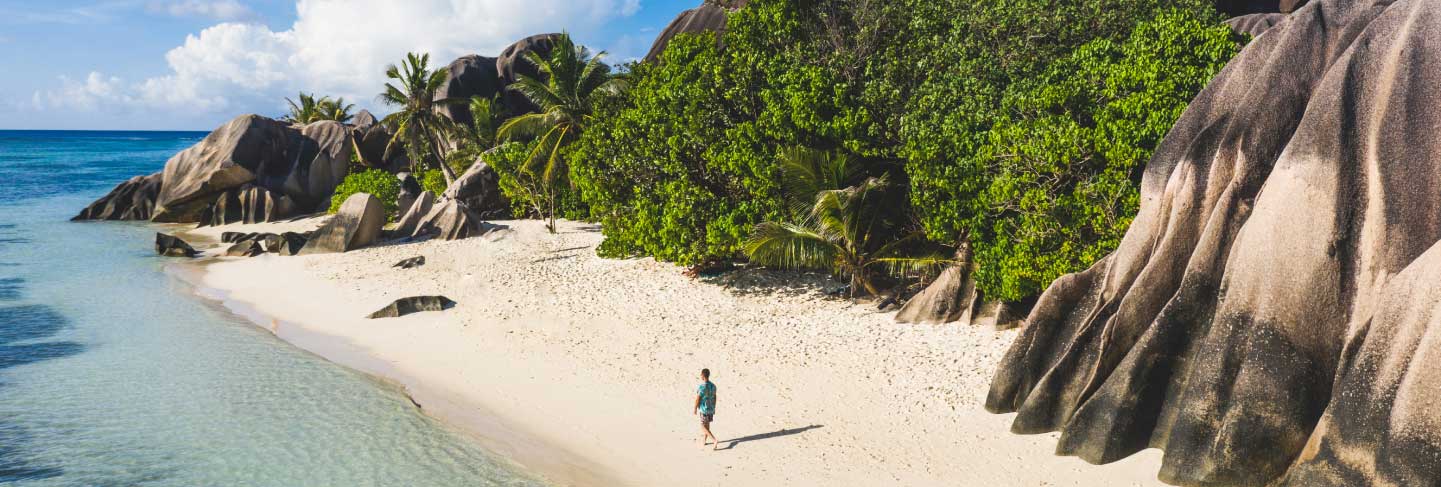
Volunteering in Africa could also take you to Seychelles, a country made up of over 100 islands in the western Indian Ocean. Despite being one of the world’s smallest countries, Seychelles boasts abundant coastline and tropical landscapes, making it a captivating travel destination. You can begin by exploring the unique forests of Seychelles, where 80 out of the 200 plant species are exclusive to these islands.
Seychelles is also bursting with marine life, with more than 900 identified species of fish, not to mention the sea turtles and sharks that call these island waters home. Its jungle vegetation provides shelter for a variety of life on land too, like tortoises, frogs, bats and an incredible array of birdlife.
When you join a volunteer program in Seychelles, you’ll travel to Mahe Island. From our research station in Cap Ternay you can take part in projects that monitor climate change impacts on island communities and their environment. Get involved in conservation projects related to marine life, wildlife, and the environment. This allows you to explore Seychelles’ diverse landscapes while making a significant contribution to conservation efforts.
Volunteer in Ghana
When you volunteer in Ghana, you’ll head to our community hub in Kokrobite, near the city of Accra. Our volunteer programs centre on community and economic development. This could include conducting skills development workshops to empower women or teaching programs that increase educational capacity in the region and contribute to the employability of local participants.
Central Ghana is draped in some of the world’s largest rainforests. Along the coast of the Gulf of Guinea, the landscape gives way to stretching sandy shores where traditional sailboats come to rest at the end of a long day at sea. The rest of the country is made up of plateaus overlooking low-lying plains. Here, large lakes and rivers nestle between the tall grasses and short trees of the savannah.
This combination of terrains means that Ghana is a country with a wealth of natural resources. Working with these resources, Ghana has made a name for itself as one of the top ten economic hubs of Africa.
No matter the program focus, these types of volunteer experiences in Africa contribute to community development in Ghana, and make a positive impact that’s relevant to the African context.
Which types of programs are available when volunteering in Africa with GVI?
Volunteer projects in Africa in wildlife conservation
Participating in wildlife conservation volunteer work in Africa is a meaningful way to address some of the current global issues. The benefits of wildlife conservation extend beyond animals, as our well-being is intricately linked with the health of land and sea ecosystems, which rely on a diverse array of life. Our volunteering projects in Limpopo focus on:
- Preparing volunteers with the skills they need to work in wildlife conservation.
- Contributing towards rhino anti-poaching efforts.
- Tracking and monitoring the behaviour of elephants and big cats.
- Conducting wildlife research in the field.
- Contributing towards conservation efforts aimed at a variety of African animals.
Volunteering in Africa in marine conservation
Africa has the right coastal temperatures to support masses of marine life. But with marine pollution, overfishing and the over-development of coastlines there’s lots to be done in the way of marine conservation.
Our Marine conservation volunteer projects in Africa are focused on maintaining healthy marine environments.
On the island of Mahe in Seychelles you can earn your PADI Divemaster qualification while contributing to marine conservation work. Or you can snorkel alongside coral, fish, turtles, eagle rays and reef sharks, participate in ecosystem surveys, and engage in beach cleanup efforts. You’ll assist with data entry, education workshops and monitor marine species in seagrass meadows and coral reefs. Additionally, you’ll collaborate with local governments and NGOs to address climate change impacts on these environments.
We offer a marine conservation program in Gansbaai, just outside Cape Town. This program focuses on sharks, whales and penguins, aiming to make a real impact on the vibrant marine ecosystem of the Cape Whale Coast. From assisting with research and monitoring to contributing to rehabilitation efforts, volunteers play a crucial role in protecting this unique marine environment.
Women’s empowerment and community development volunteering in Africa
Africa is home to the world’s second largest population. With so many people dependent on the continent’s natural resources, African countries have had to adapt the way they make use of these resources.
In many African countries, there are historical environmental, social and economic challenges. Community development volunteer work in Africa focuses on addressing these issues relevant to the communities, aiming to support the well-being of all who live there.
Volunteering in Africa means that you could get involved in programs with a focus on women’s empowerment, business and micro-enterprise, economic empowerment and international development. You’ll be contributing towards improving the education and employability of the local community.
All our volunteer projects in Africa are locally-led and take a sustainable approach to development. This means working in collaboration with local communities and partner organisations on projects that focus on using resources efficiently and cultivating local expertise.
Volunteering in Africa in teaching and early childhood development
With 70% of sub-Saharan Africa under the age of 30, Africa has the youngest population in the world. This means that the majority of its population is either of school-going age or old enough for tertiary education. So, it makes a lot of sense that education is a big focus in African countries.
When taking part in volunteer projects in Africa that are focused on teaching and early childhood development, you can be a part of projects that make quality education more accessible to local children.
These activities align with the United Nations Sustainable Development Goal (UN SDG) 4: Quality Education. You could assist teachers at local schools with carefully crafted lessons designed to make learning as fun and engaging as possible, and to support both the fine and gross motor development of young learners. This involvement allows you to make a positive, lasting impact on the lives of children and assist in improving their access to future job prospects.
GVI follows a strict Child and Vulnerable Adult Protection Policy. Because of this, we no longer work with orphanages. Read our stance on orphanage volunteering for more information.
If you’re excited about getting involved in volunteer work in a multicultural environment surrounded by towering mountain peaks and stretching beaches, Africa offers you all this and more.
If you want to experience some of the world’s most well-known wildlife, and learn wildlife conservation from the best in the field, volunteer work in Africa can get you to where the action is. If you want to find out about Africa for yourself through voluntary work, Africa offers ample opportunity to do so.
Africa is a continent that is still sorting through the impact of its history. Despite this continent’s abundance of resources, it remains one of the least developed in economies and infrastructure. By volunteering abroad in Africa, you can contribute towards a positive impact in a meaningful way, and support people in Africa as they develop and implement sustainable solutions.
Many African countries experience extreme weather conditions like droughts and floods. This continent is also one of the most impacted by climate change, which has already had a significant effect on its environment, wildlife and marine life. By volunteering in Africa you’ll get a real-time glimpse of what’s already being done to try to address the challenges being faced by African populations. This will help you to understand how African countries adapt and manage environmental concerns, and the other factors that affect their communities.
Through this experience, you can gain a better understanding of the African context, and broaden your perspective of global issues.
Volunteer opportunities are not only a great way to be a part of impactful initiatives. By joining a GVI volunteer abroad program you’ll get to experience Africa with a team that’s focused on providing a safe and supportive volunteer experience. This is also a chance for you to grow personally and professionally by taking part in experiences that aren’t always easy to come by back home.
In addition to all of this, volunteering in Africa promises some of the most diverse travel opportunities available today. This means that by choosing to volunteer in Africa, you’ll also get a top travel experience and memories that will last you a lifetime.
Is it safe to volunteer in Africa with GVI?
GVI’s volunteer programs in Africa prioritise a secure and supportive experience. We not only commit to providing support before, during, and after your volunteer journey, but we also maintain comprehensive health and safety policies that cover all aspects. These policies are designed to ensure the well-being of participants during all volunteer activities and while they are on base.
For those under the age of 18 who choose to volunteer in Africa we offer a range of programs designed for teens. Our parent pack can fill your guardians in on what GVI’s volunteer programs in Africa are all about, and how your health and safety are prioritised throughout your volunteer experience.
Can you volunteer in Africa for free?
Volunteering in Africa for free is possible, but it’s important to note that there are often hidden costs associated with these opportunities. While some organisations may not charge a program fee, volunteers may be responsible for covering their own expenses, such as travel, accommodation and meals. Additionally, volunteering for free may not always be the best option as it may result in limited resources and support for the project or community being served. It’s essential to research volunteer organisations thoroughly and read reviews from past participants to ensure the program is reputable and the work being done is ethical and sustainable. Ultimately, volunteering in Africa or anywhere else can be a rewarding experience, but it’s crucial to consider the financial and ethical implications before committing to a program.
How do I volunteer in Africa?
There are various ways to volunteer in Africa, ranging from wildlife and marine conservation efforts to education, women’s empowerment and healthcare initiatives. To begin, research organisations that specialise in volunteering opportunities in Africa. Look for reputable and established organisations that have a proven track record of successful and ethical volunteer programs. Once you have found an organisation that aligns with your interests, review their application requirements and ensure that you meet all the necessary criteria. You may need to provide a criminal background check, vaccinations and proof of travel insurance. Additionally, be prepared to cover the cost of your travel expenses, accommodation and program fees. Finally, familiarise yourself with the local customs and culture of the country you will be volunteering in to ensure a respectful and meaningful experience.
How much money do you need to volunteer in Africa?
The cost of volunteering in Africa can vary widely depending on factors such as the organisation you volunteer with, the length of your stay and the country you’re visiting. Some volunteer organisations cover certain costs, such as accommodation or meals, while others may require volunteers to cover all expenses themselves. Additionally, you’ll need to consider costs such as flights, visas, vaccinations and travel insurance. It’s important to do your research and budget carefully before committing to a volunteer program. You may also want to consider fundraising or applying for grants to help cover costs. Overall, the cost of volunteering in Africa can range from a few hundred to several thousand dollars, but with careful planning and budgeting, it can be an affordable and rewarding experience.
How can I contribute to conservation and community development initiatives in Africa?
There are several ways that you can contribute to conservation and community development initiatives in Africa. One way is to support organisations that are working towards these goals through volunteering your time, skills or financial contributions. Many organisations offer volunteer opportunities for individuals or groups to help with projects such as wildlife conservation, marine conservation or community health initiatives. Additionally, you can support local communities by purchasing locally-made goods, which helps to promote sustainable livelihoods and economic development. Educating yourself and others about the importance of conservation and sustainable development can also contribute to these efforts by raising awareness and encouraging others to take action. Finally, you can support policy and advocacy initiatives aimed at protecting natural resources and promoting sustainable development in Africa.