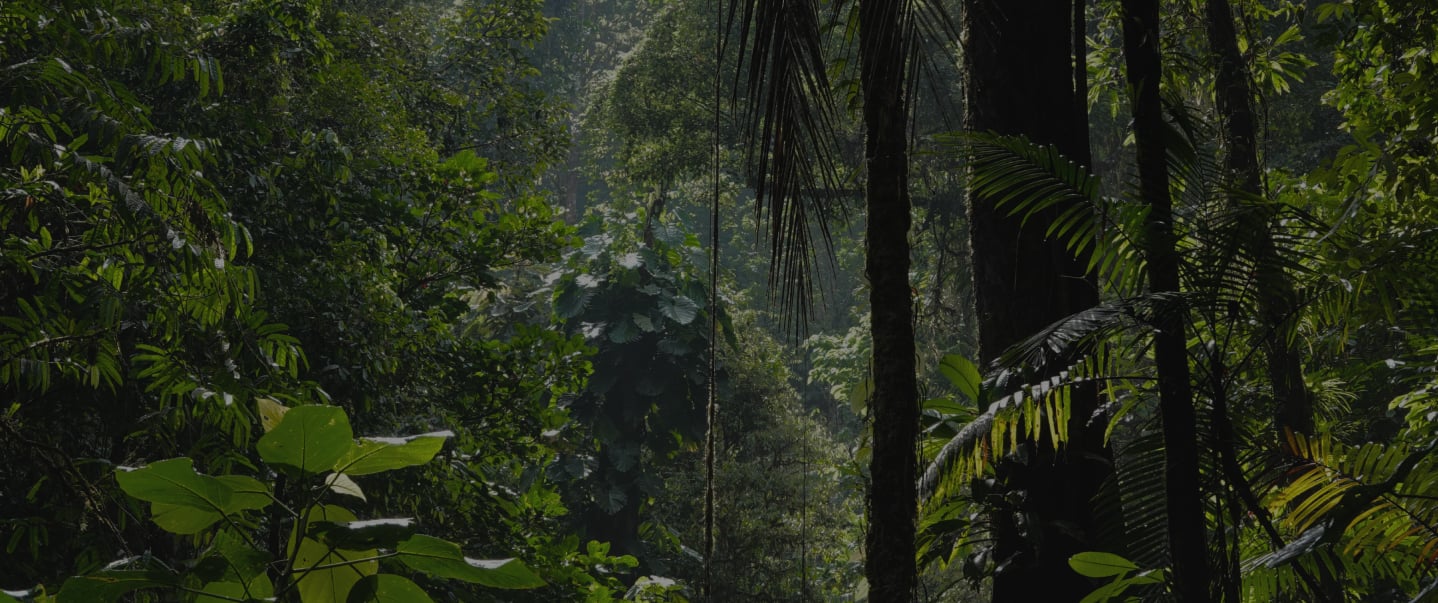
The nesting beach is located on a small island just offshore from the island of Efate (where the capital city of Port Vila is located). From the international airport a 40-minute bus ride followed by a 15-minute boat ride brings you to the shores of Tasiriki village on Moso Island. From here, it is a 1-hour hike across the island through lush rainforest jungle, to reach the nesting beach. While it is only an hour away from the village, the nesting beach is isolated enough to give you the impression that you are living on a deserted tropical island. That is perhaps one of the reasons that this island has been used to film several versions of the television reality show ‘Survivor’.
- Your project life will vary depending on the time of the season:
- (September-October) During the early part of the season volunteers concentrate on setting up the project and making improvements for community and volunteers. For Example, volunteer’s determine the beach’s length and how much of it can be properly surveyed, dividing those parts of the beach into sectors. There will also be time to do many things such as reef surveys, capturing and tagging turtles on their feeding grounds, clearing forest tracks, helping with construction, setting up a volunteer garden and providing teacher aid at the local primary school. Turtle activity will begin leading into an increase in nightly Turtle beach patrols.
- (November) The nesting season will be building towards its peak this month. The main work for volunteers on the project will be the nightly trips to the nesting beach. This will make for long but rewarding nights spent patrolling the beach to locate and tag nesting turtles. November is often dry so this is one of the months where we will be able to maximize our tagging efforts. During the day volunteers may utilise their time by taking part in activities like reef surveys, helping at the school, maintaining a volunteer garden, etc.
- (December-January) In the middle of the season when the nesting is at its peak most of the work will revolve around the nightly nesting surveys. In addition to working with the nesting turtles as we enter January volunteers will now start to find that the nests laid earlier in the season are starting to hatch. It will not be uncommon to come across hatchlings running for the sea during nightly patrols. Once the nests have hatched we will be excavating the nests to determine the nesting success.
- (February) Towards the late part of the season the nesting will decline. At this time more emphasis will be placed on monitoring and assisting the emergence of hatchlings, and determining the success of nests. There will also be time to take part in the additional activities around the village that take place throughout the season.
- (March)This is one of the most important months as volunteers collect the hatching data from the turtles whilst being involved with help around the community. The last of the potential nesting turtles will be finished early in the month at which point the work on the beach will involve collecting data from the hatched nests.