You have javascript disabled in your browser. Either enable it via your browser's options or click here to bypass the detection.
Country Fact File : Nicaragua
Volunteer on Childcare Projects in Nicaragua
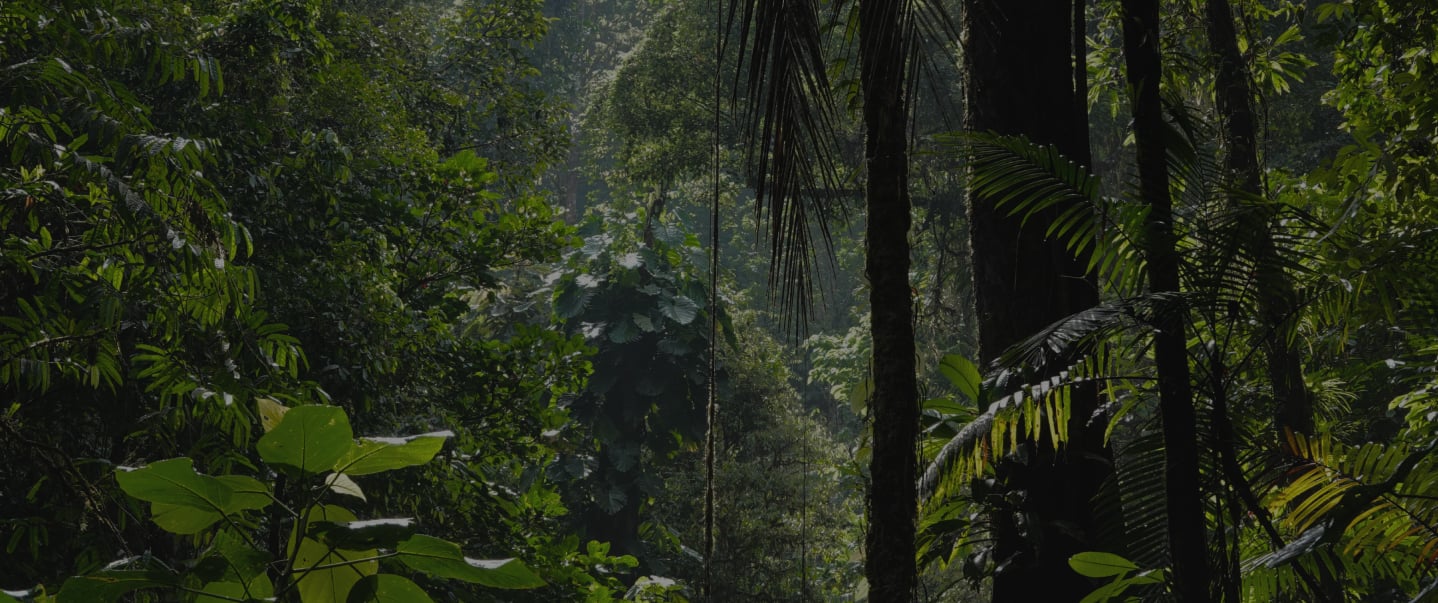
Nicaragua is best known not for its stunning landscapes or vast cultural treasures, but for a war in which a popular uprising was suppressed by a US-backed government. The after-effects of these and other setbacks have left the country in a state of shock from which it is gradually emerging. However, more than 18% of Nicaragua’s landmass is made up of natural forest reserves and a stunning mix of flora and fauna. The seemingly endless forests, lush greenery and crystal clear lakes have always been there -- it’s just that it took foreigners a while to discover it! A diverse eco-system that supports an animal kingdom made up of monkeys, iguana, deer and parrots and toucans is finally getting the notoriety it deserves. There’s so much to do and see in Nicaragua, an entire summer doesn’t provide enough time. Nicaragua’s Caribbean Coast remains virtually untouched.
| Location | Central America, bordering both the Caribbean Sea and the North Pacific Ocean, between Costa Rica and Honduras |
| Area | 129,494 sq km |
| Border Countries | Costa Rica and Honduras |
| Climate | Tropical in lowlands, cooler in highlands |
| Terrain | Extensive Atlantic coastal plains rising to central interior mountains; narrow Pacific coastal plain interrupted by volcanoes |
| Highest Point | Mogoton 2,438 m |
| Natural Hazards | Destructive earthquakes, volcanoes, landslides; extremely susceptible to hurricanes |
| Environmental Issues | Deforestation; soil erosion; water pollution |
| Population | 5,570,129 (July 2006 est.) |
| Ethnic Groups | Mestizo (mixed Amerindian and white) 69%, white 17%, black 9%, Amerindian 5% |
| Religions | Roman Catholic 72.9%, Evangelical 15.1%, Moravian 1.5%, Episcopal 0.1%, other 1.9%, none 8.5% (1995 census) |
| Languages | Spanish 97.5% (official), Miskito 1.7%, other 0.8% (1995 census) note: English and indigenous languages on Atlantic coast |
| Type of Government | Republic |
| Capital | Managua |
| Independence Day | 15 September 1821 (from Spain) |
| Chief of State/ Head of Government |
Chief of State: President Enrique BOLANOS Geyer (since 10 January 2002); note - the president is both the chief of state and head of government |
| Currency | gold cordoba (NIO) |
| Time | GMT -6 |
Useful Numbers & Web Addresses
International dialing code: +505
Police tel: 118
Ambulance tel: 265 1761
British Honorary Consul: Managua, Apartado Postal (PO Box) 2382. Tel: (00) 505 254 5454 / 3839. Email: taboada@taboadalaw.com
Embassy in UK: Suite 31, Vicarage House, 58-60 Kensington Church Street, London W8 4DP. Tel: (020) 7938 2373.
Email: emb.ofnicaragua@virgin.net
Web: http://freespace.virgin.net/emb.ofnicaragua/
Duration and Costs
| Duration | Cost |
|---|---|
| 2 Weeks | £475 |
| 3 Weeks | £555 |
| 4 Weeks | £635 |
| 5 Weeks | £715 |
| 6 Weeks | £795 |
| 7 Weeks | £875 |
| 8 Weeks | £955 |
| 9 Weeks | £1035 |
| 10 Weeks | £1115 |
| 11 Weeks | £1195 |
| 12 Weeks | £1275 |
| Group Size |
|---|
| Maximum 12, plus project staff. |

UK site (change)
USA site
AUS site
IRE site
EU site


