Overview
Volunteer with Lemurs in Madagascar

Madagascar Flag

Vital conservation work for the protection of these endangered endemic primates

This vital conservation project takes volunteers to play an active part in lemur conservation on the beautiful island of Madagascar. You join a team of like-minded volunteers to help the work of the national botanical and zoological gardens of Madagascar, by gathering information on several species of lemur under the guidance of highly qualified staff. Working for this small grassroots agency will provide excellent experience for anyone wanting to pursue a career in conservation.

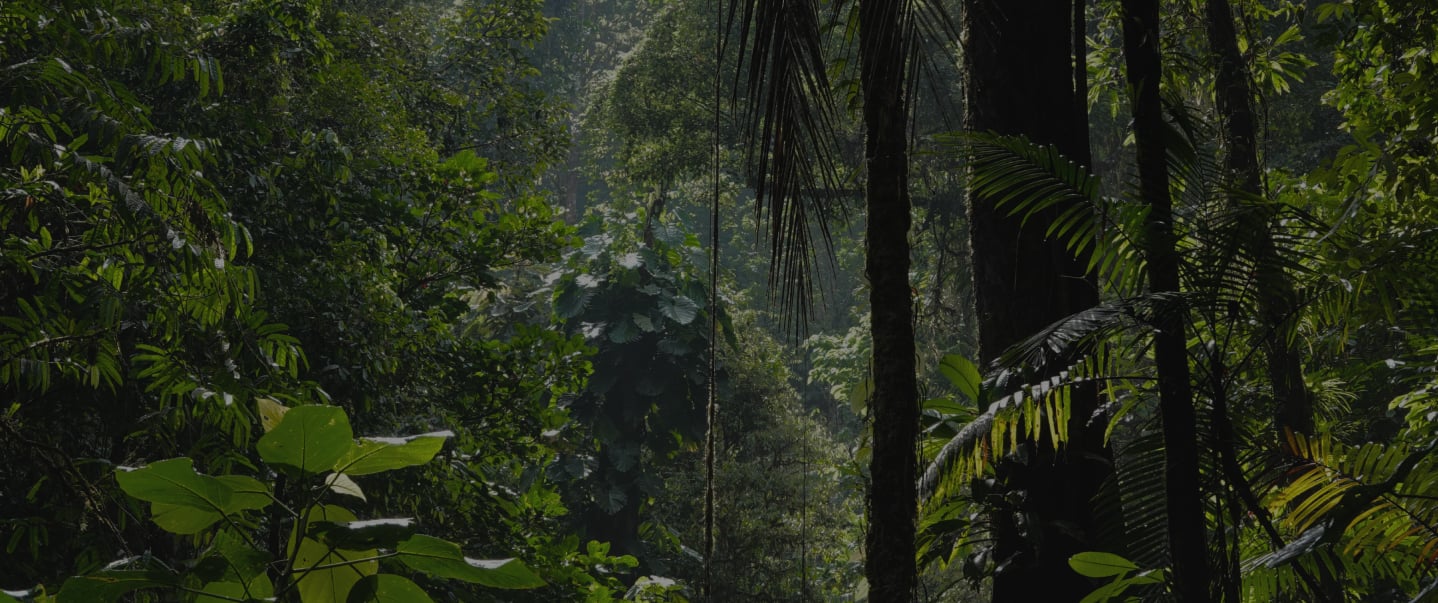
This project is extremely popular as there is no other programme of this kind, which works with such a focus on lemurs. Yet part of this programmes appeal may also be that it takes volunteers to live, work and travel in some of the most beautiful, remote and diverse parts of Madagascar, from lush rainforests to dry deserts!

Getting so close to the animals for such extended periods was amazing and I feel privileged to have been able to help the cause of the lemurs.

Lindsay Paterson, 2007 Volunteer

What Difference Does This Project Make?

Seventy-one species of lemur exist in Madagascar, all of which are crucially dependent on the remaining forested habitats of this huge island. With poverty the main driving force, to date it is estimated some 90% of the island’s unique forests have been removed for the cultivation of food for the ever-growing population. Deforestation on this scale has left many lemur species on the brink of extinction. With extremely limited resources, the Malagasy government struggle to understand these species enough to practically conserve them. GVI with local project partners focuses on the spiny and littoral forests of the southeast, draws together conservation professionals and volunteers to gather the information which is a pre-requisite for the preservation of lemur species for future generations.

Highlights

Taking a great first step towards a career in practical conservation or just finding a way to make a lasting one-off contribution to the preservation of the endangered lemur species; having the opportunity to work with professionals from Duke Primate Institute and Parc Botanique et Zoologique de Tsimbazaza (PBZT); spending one week working hands-on alongside the captive breeding programme in Antananarivo; working with rare species such as the ring-tailed lemur, fat-tailed dwarf lemur and the tiny mouse lemur in the spiny and littoral forests of southeast Madagascar.

Location

Located in the Indian Ocean, Madagascar - the world’s fourth largest island - has a colourful culture as well as breathtaking natural scenery and flora and fauna found nowhere else on Earth.

Field Conditions

Volunteers camp for the duration of the scheme in some of the most beautiful campsites in the world. Food is simple but tasty and nutritionally balanced. Whilst working in the more remote villages, toilets are ‘long drop’ and showers are cold; while at the campsite in Fort Dauphin conditions are less basic and electricity is available. Volunteers should be prepared for physical work, adventurous road journeys and sometimes long walks to reach remote and picturesque project sites. The work and lifestyle is challenging but incomparably rewarding.

01727 250250

UK Website - We are Here At The Moment US Website Australian Website Ireland Website

Duration and Costs

Duration Cost
4 Weeks £1400
8 Weeks £2200
Group Size
In total, 14 places will be offered and it is expected that these will fill extremely fast as there is no other programme of this kind that works with such a focus on lemurs.
Book Online Now

Volunteer Stories

Book

Read Volunteer Stories for this trip in the GVI Media Center

Related Programs

Search for Programs


Share this Page

Delicious
Facebook Share On Facebook
Digg
Reddit