Internship Life
Marine Mammal, Primate and Coastal Habitat Environmental Internship in Kenya, Africa
Your first 10 week phase is spent as a normal GVI volunteer. Your second ten weeks as an intern (please see Internships section for more information for life and training as an intern). As a volunteer interns will undergo an intensive training programme, covering health and safety and including the internationally recognised EFR first aid and CPR course, learning cetacean and turtle identification and the survey skills to study their populations, primate identification and forest biodiversity survey skills and the introduction to TEFL course. You will be examined on species identification and research protocol to ensure you can participate fully as a member of our diverse research teams. Over the ten weeks you can expect to divide your time equally between teaching and community development activities, the marine research programme, and coastal forest research programme.
![]() | See up to date info on the Kenya Blog![]() |
Working in teams you will be supporting education in our local community, delivering English language lessons during term times in Mkwiro Primary School following the national curriculum. Mornings will start with lesson planning after which you conduct lessons throughout the day according to the school timetable. You will also have the opportunity to educate, and learn from, the local children through time spent at the orphanage, the local dolphin club and holiday environmental education programmes. You also take your turn with the adults, where education and skills development will enable them to engage in sustainable livelihoods, one of the most valuable ways to effect local conservation.
For one week during your expedition you will also get to experience the vast landscapes of inland East Africa with our Tsavo West satellite camp. A day’s journey, that takes you through the vast wilderness and savannah wildlife of Tsavo West National Park, will bring you to the border with Tanzania again, but this time in the shadow of Mount Kilimanjaro. Your week will be spent working with one of three communities that have turned from ‘poachers to protectors’ – supporting their capacity to develop alternative livelihoods is the best way to ensure they do not return to illegal wildlife poaching or charcoal production. The bush meat trade is now considered the greatest threat to Africa’s wildlife, whilst charcoal burning is East Africa’s most significant cause of habitat loss. As well experiencing this semi-arid habitat and hopefully viewing some of its most iconic residents, you will witness the diversity of tribes and cultures in Kenya. We will take the time to visit some of Kenya’s best kept secrets, including the stunning crater lake at Chala, and clouds-permitting you will wake up to the continent’s most iconic view – the magnificent Mt Kilimanjaro.
On most marine research days you will spend 5 to 8 hours on board our research vessel surveying areas in and around the Kisite Mpunguti MPA for dolphins using photo-identification protocols, a rare opportunity to develop skills and experience in marine mammal survey techniques, as well as other marine mega-fauna including, depending on season, humpback whales, whale sharks and turtles. Environmental conditions permitting, snorkel surveys of the spectacular fringing coral reefs will be undertaken on most days recording the in-water distribution of sea turtles and key reef fish families. Additional marine research projects may include marine land-based dolphin surveys, an un-biased platform that can help assess the impact of tourism and other human activities, marine bird surveys, rare coconut crab population surveys on the islands or interviews with local fishermen to assess the interaction between local livelihoods and wildlife. In the afternoons you will download photos, learn valuable skills in cetacean research by assisting staff in maintaining the dolphin photo-identification catalogue and ensure your data is entered.
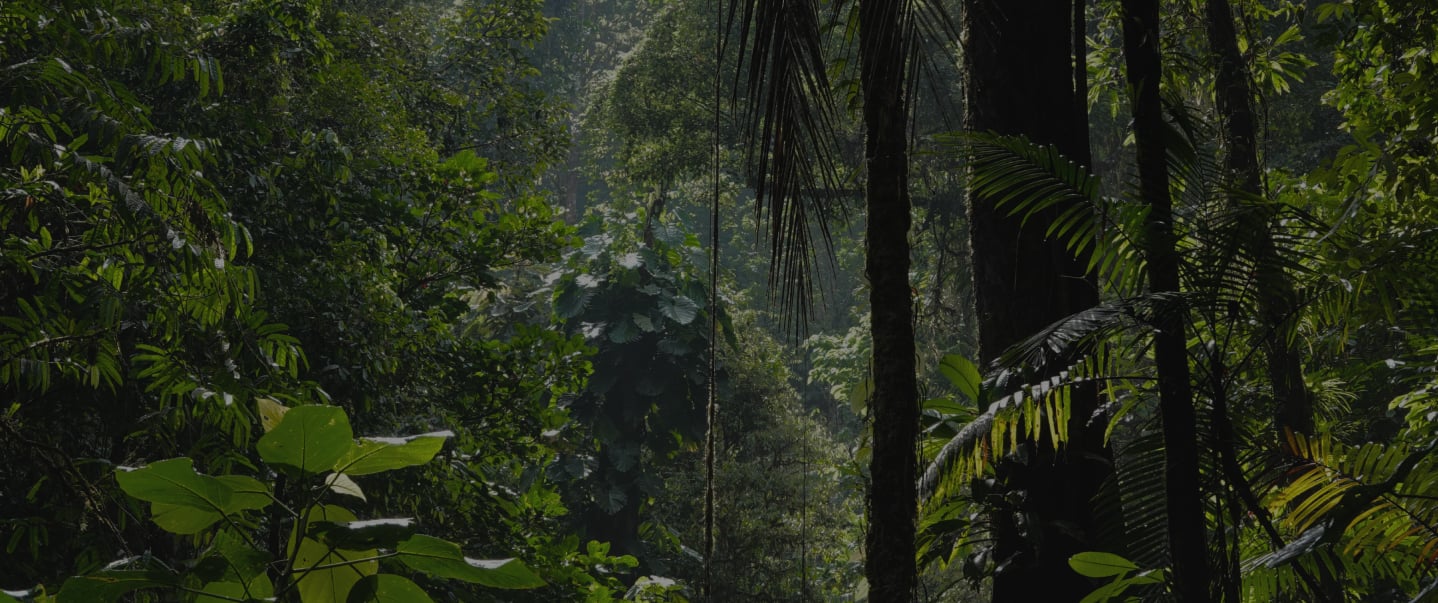
When participating in the coastal forest research programme, you will be at our satellite base in Shimoni, on the mainland, an opportunity to explore this important and historic settlement. Forest research days can be long, leaving at 6.30am and sometimes not finishing until 5pm. Research projects are as diverse as the wildlife supported by this Global Biodiversity Hotspot. The main focus is on primates and specifically one of Kenya’s most critical populations of the Angolan black and white Colobus. Primate surveys are undertaken using distance sampling, a methodology that is applicable across diverse habitats and taxa. You will also be involved in behavioural studies looking at time budgets, another valuable ecological research skill. Further terrestrial research experience will be developed in surveying wide-ranging taxa from birds to butterflies to the ancient, endemic and vulnerable elephant shrews. Botanical, habitat and human disturbance surveys will provide you with a broad skill set. You will be involved in database management at the end of each day and see the research applied directly at the local level through environmental education.
Days will often be long, hard, hot and dusty, beginning early to make the most of daylight hours. At the end of the day, the whole team gathers in the evening to debrief, eat and socialise, with a few cold beers at our neighbours, Paradise Divers. At weekends you have free time to spend however you see fit. You may wish to take the time to enjoy the peace and tranquility of your home on Wasini Island, party at the local hangout in Shimoni, go snorkeling or diving with local operators, or travel further afield. Diani tourist resort is a popular destination for some good food, bars and clubs, not to mention its stunning beaches. Mombasa town offers both history and modern Kenyan life, whilst safaris in Shimba Hills national reserve or even the Tsavo national parks can be arranged over a weekend.
The internship will supply interns with a very wide range of opportunities that incorporate terrestrial, marine and community projects. The program also gives you the opportunity to:
- Immerse yourself in a truly remote tropical paradise, living and working alongside local people and fishermen and experiencing their culture, food and way of life
- Learn a variety of marine and terrestrial survey skills within the tropical environment, including turtle and primate studies
- Spend days on the research boats on warm, crystal-clear waters in one of the most spectacular examples of a tropical marine environment in the world, seeing turtles, dolphins, whales, manta rays or whale sharks up close in their natural environment (depending upon the season and your luck)
- Experience lowland tropical coastal forests and enjoy the magical variations of the colourful bird life
- Spend your day studying the Angolan black and white colobus monkey
- Snorkel some of Kenya’s finest coral reefs in search of turtles and diverse tropical fish
- Explore inland Africa, camping in and around national parks and working on wildlife and community conflict projects (such as poaching and the bush meat trade)
- Assist in teaching English to children and adults, learning skills from GVI’s TEFL course, which has been designed especially for teaching conversational English for tourism
- Assist in environmental education and awareness programmes, visiting and teaching in local schools and with tour operators in and around the expedition base
- Take Swahili language and optional traditional cooking lessons
- Immerse yourself in the area’s Swahili culture, their food, clothing, legends and knowledge
- Relax and party with your new-found friends at the well deserved Saturday Night Fiesta in Diani!
Duration and Costs
| Duration | Cost |
|---|---|
| 6 Months | £3500 |
| 9 Months | £4150 |
| 12 Months | £4650 |
| Group Size |
|---|
| 3 interns, plus up to 21 other volunteers, plus field staff. |


UK site (change)
USA site
AUS site
IRE site
EU site


