The Project
Wildlife Expedition in Costa Rica
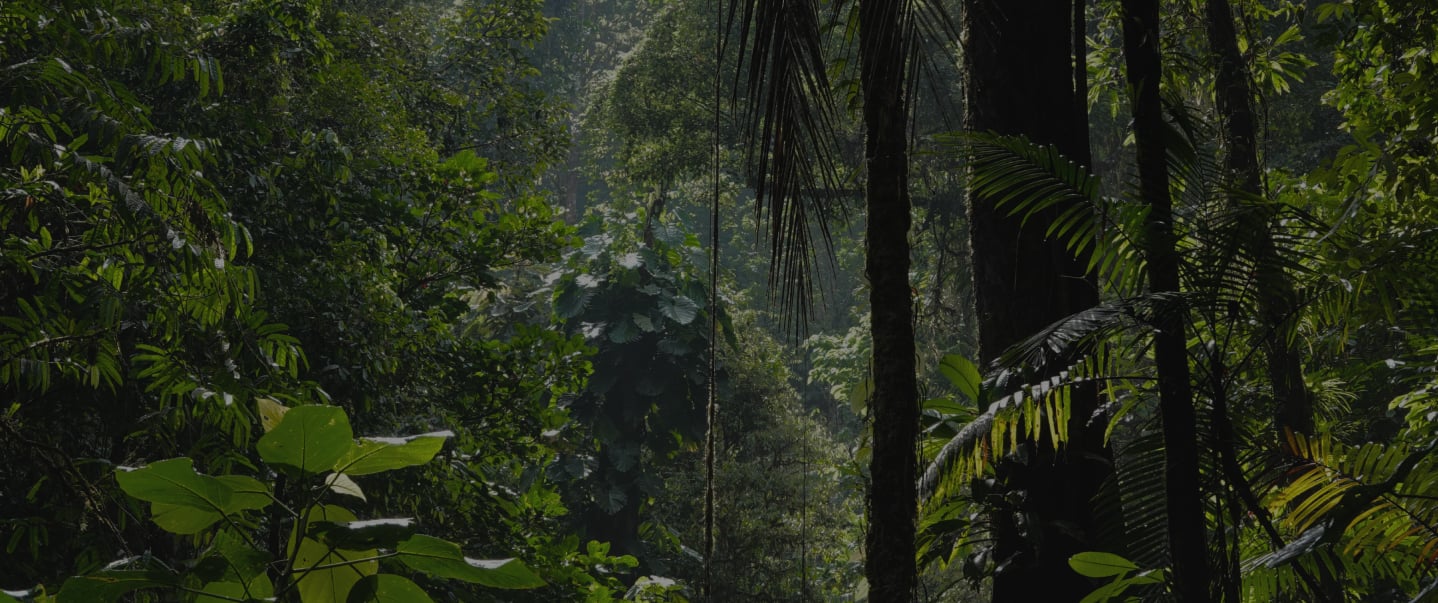
Volunteers are based at a specially created research station that sits in the heart of the National Park forest running behind the Caribbean beach. It is surrounded by lush tropical rainforest filled with a variety of wildlife and regular sightings of monkeys and even jaguar prints around the base. There is no road access to the region, so all transportation is via canoe and motor boat through the stunning canals and rivers that meander through the tropical rainforest.
GVI's work is carried out on behalf of and in conjunction with local, national and international partners. GVI is working with the Costa Rican Ministry for Energy and the Environment (MINAE) to develop and sustain the long-term conservation of the Tortuguero area.
A brief but intensive training period prepares volunteers to begin working on the research programmes, after which time you will continue to learn, with each survey becoming increasingly experienced. The expedition is dynamic, with projects undergoing regular review to ensure they meet the needs of partners. Each project is tailored to the needs and restrictions of the area and the time of year. Each project works towards some or all of the aims below:
a) Collecting and analysing scientific data, and increasing scientific interest in the area.
b) Increasing the conservation value of the area
c) Improving community awareness and capacity
d) Raising awareness and studying the effects of tourism
e) Encouraging and contributing to local sustainable revenue.
After a comprehensive training period and a compulsory first aid course (certification optional at extra cost of $35), the group rotate on the various projects. Below are the projects currently being undertaken:
1. Jaguar Predation of Marine Turtles: GVI Costa Rica has been conducting this research by request of MINAE since July 2005. The aim of this project is to determine whether predation of marine turtles by jaguars (Panthera onca) in TNP is having an impact on the marine turtle populations. Data collection consists of walking 14.5 miles on the beach of the National Park, and participation is therefore selection-based due to health and safety precautions.
2. Jaguar, Mammal and Prey Species Abundance Research: GVI set up camera traps, recording tracks and signs in the National Park forest in order to identify and estimate the abundance of jaguars (Panthera onca) and the availability of prey species in the area. The cameras are checked on a regular basis, and any photos captured analysed.
3. Marine Turtle Monitoring and Conservation Program (March – October): GVI are assisting in the monitoring of nesting green sea turtles (Chelonia mydas), leatherbacks (Dermochelys coriacea) and hawksbills (Eretmochelys imbricata) in order to record their spatial and seasonal distribution, monitor the number of nests, determine the level of illegal poaching on turtles and their nests, record hatchling emergence and hatching success rates, track re-emergences to the nesting beach and or migration between beaches, and register tourist and human development around the nesting site. At different stages of the seasons, this project involves working directly with nesting females during night patrols or determination of nests status during daytime nest excavations after the predetermined hatchling period.
4. Resident and Migratory Bird Research: In collaboration with MINAE, GVI is monitoring 30 key aquatic bird species to collect long-term seasonal trend data on resident and migratory birds on canoe based surveys along canals in the National Park.
5. GVI Costa Rica has been recording incidental sightings of animals in the area since January 2007. The aim of the study is to maintain a formal, accurate record of the daily occurrences of birds, mammals, reptiles and amphibians sighted around the research station. By keeping a daily record of the occurrence of species, we can determine which species are seen most frequently and determine if there any changes in the frequency of sightings of certain species over time.
6. GVI Costa Rica has been recording incidental sightings of animals in the area since January 2007. The aim of the study is to maintain a formal, accurate record of the daily occurrences of birds, mammals, reptiles and amphibians sighted around the research station. By keeping a daily record of the occurrence of species, we can determine which species are seen most frequently and determine if there any changes in the frequency of sightings of certain species over time.
GVI’s aim is to conduct a comprehensive research program supporting conservation in this biodiversity hotspot. By working with MINAE, GVI is assisting in obtaining vital data which will help management and, ultimately, conservation of animals like the majestic jaguar (Panthera onca) and the threatened sea turtles. Jaguars are roaming the beach of Tortuguero National Park and predating on marine turtles, but little is known about this unusual prey selection and, indeed, how many jaguars are present in the park. GVI is investigating further into this behaviour by continuing data collection on jaguar presence and predated turtles along the 14.5 mile stretch of beach bordering the park. In addition, GVI is setting up camera traps in order to identify individuals and to obtain an estimate of the abundance of jaguars on the beach and in the bordering forest.
We are undertaking a conservation programme to monitor nesting female turtles, document the poaching rate of eggs and meat, as it is essential in aiding further conservation of the local marine turtle population. Data for this project is shared with partners and associates, including the CCC and MINAE, in order to help raise awareness of the plight of the threatened sea turtles and to compare with the CCC’s impressive data set collected over the past 50 years, as well as with other marine turtle conservation projects in the Caribbean. This is an international conservation effort with support from many of the world’s leading conservation authorities.
GVI has implemented a long-term bird monitoring programme in order to collect population data on resident and migratory birds in different sites and habitats. The data is collected and collated by GVI, with the aim of making annual raw data on bird presence and nesting behaviour available to other researchers or conservation organisations, and serve as a management tool for MINAE.
In order to help local capacity building, GVI offers Costa Rican nationals a chance to join the volunteers on the expedition and hence receive biological training and gain valuable skills and experience. Priority will be given to people who intend to live and work long-term in the conservation of the area.
Duration and Costs
| Duration | Cost |
|---|---|
| 2 Weeks | £795 |
| 5 Weeks | £1445 |
| 10 Weeks | £2345 |
| Group Size |
|---|
| 12 to 18, plus staff. Your daily working groups will comprise of four to six people. |

UK site (change)
USA site
AUS site
IRE site
EU site


