Overview
Costa Rica Rainforest Conservation Internship

Costa Rica Flag

Research marine, rainforest and freshwater ecosystems in this biodiversity hotspot to support a career in both terrestrial and marine conservation

The conservation programmes carried out by GVI Costa Rica takes a holistic approach to the conservation of the area, helping to monitor every ecosystem of this incredibly diverse area: forest, canal, beach and sea, as well as conducting community work. As with all conservation, trained personnel, resources and accurate information are essential to make and carry out informed decisions and your six month Internship has been designed by our award winning team for just this purpose.

During your time, you gain vital skills, including a First Aid qualification and two weeks of Spanish classes; live and work with our research team in a remote environment to attain experience essential for future work in the field of conservation or beyond. You will be taught many skills, from canoeing to camera trapping, species identification to data input, and have the opportunity to hone your organisational and people skills. Your time with us will be assessed and qualifying Interns will have the chance of a work placement, either supporting GVI staff and assisting with the running of the expedition, or working with a partner in a field such as wildlife conservation or human dimensions of wildlife. After successfully completing a six month Internship with GVI Costa Rica you will have had the opportunity to learn and use many skills which are highly desirable to future employers.

This Internship opportunity will provide GVI and its local partners with highly skilled employees. Or for those looking for a career change a great CV boost!

Britt Larsen, GVI Director of Field Programs, 2009

Highlights

Living and working at an established biological station in an important wildlife corridor in the lowland rainforest of Costa Rica; helping to conserve the wildlife and habitats in the area; gaining a wide variety of skills, including learning multiple survey techniques and gaining real field experience; working with endangered and critically endangered mega-fauna; working in an area without road access, travelling by motor boat and canoes along stunning canal networks; living a low impact lifestyle and seeing the rewards in the immense wildlife that visit base, including hundreds of species of birds such as parrots and toucans, three species of monkeys and countless other mammals, reptiles, amphibians and insects; collating and analyzing the data you’ve collected and helping to write scientific reports for partners and the wider scientific community; sharing your experience and interacting with the local community; learning some Spanish; experiencing the beauty of the region from sunrise to sunset and beyond.

Skills And Qualifications Received

At the end of the internship, you will have acquired

  • A qualification in First Aid & CPR training
  • BTEC qualification in Tropical Habitat Survey Techniques from 2010.

Training in:

  • GPS use
  • Marine radio use
  • Camera trap use
  • Wildlife identification skills
  • Tropical forest ecology
  • Wildlife biology and conservation
  • Time management
  • Interpersonal skills
  • Cooking for large groups
  • Canoe and kayak skills

Two weeks of Spanish language training take place in beautiful Granada, Nicaragua.

Numerous scientific techniques are taught depending on season and what work is being conducted, these can include:

  • Collection of biometric data
  • Sea turtle tagging training (season dependent)
  • Transect work
  • Direct counts
  • Incidental observations
  • Tourist & human impact surveys
  • Camera trapping and track identification
  • Work with endangered and critically endangered species
  • Data entry, manipulation and presentation


See Requirements And Training page for more informationarrow

Location

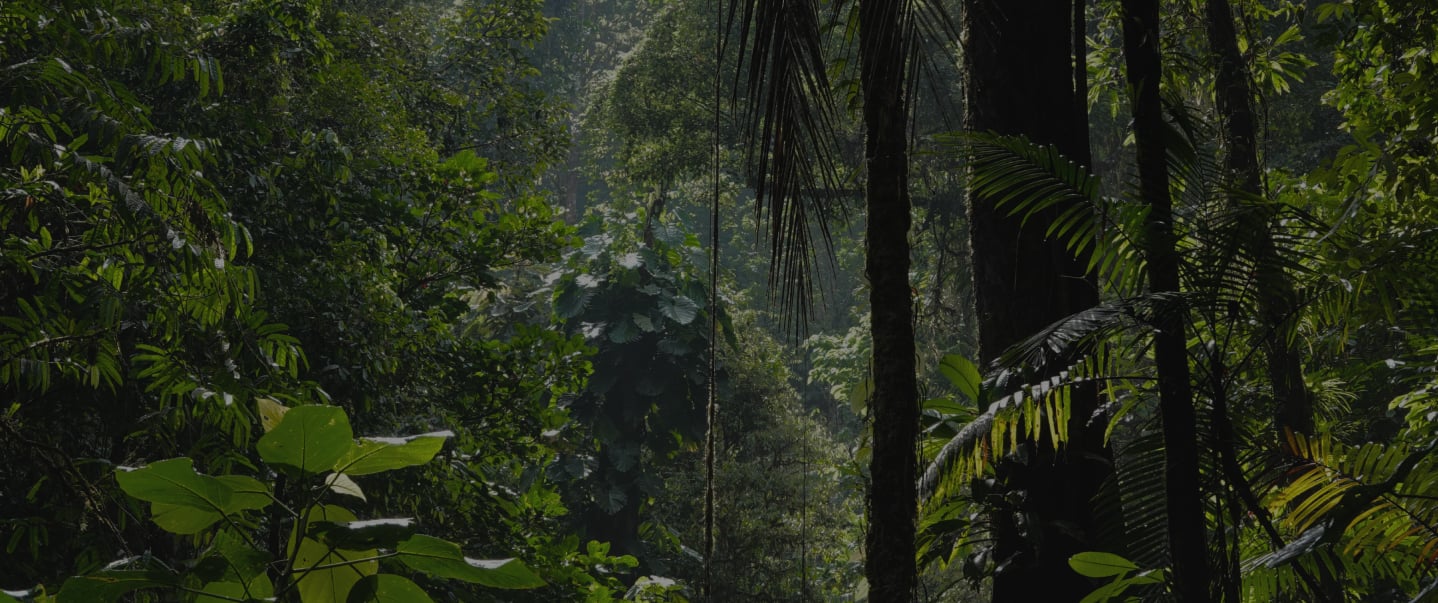
Ten degrees north of the equator, situated on Costa Rica’s northeast coast, in the forest corridor of the Barra del Colorado Wildlife Refuge (BCWR) that connects Tortuguero National Park (TNP) to the south and the Indio-Maiz Biological Reserve of Nicaragua to the north. The biological station is surrounded on three sides by stunning rainforest and adjoins the Caño Palma waterway on the fourth. The Caribbean Sea can be heard from the station, with the marine turtle nesting beach less than a ten-minute journey away, by canoe and on foot. The nearest village, where we complete the majority of our community work, is around twenty minutes away by canoe and on foot, and journeys to Tortuguero and the National Park take around half an hour by motor boat. You will spend your time surrounded by the breathtaking scenery and wildlife of the rich canals, tropical rainforest and Caribbean beaches.

See Life on the internship page for more informationarrow

Field Conditions

The Caño Biological Station houses several buildings, including a kitchen/dining room, cold-water laundry and shower area, library/study area, dormitory and offices. The dorm rooms contain bunk beds and sleep up to six people. The station receives mains electricity, available in every building and has a telephone line for official use and in case of emergencies. Food will generally consist of “comida típica”, basic and typically local recipes and ingredients, prepared by the expedition team on a rotational basis. The station grounds adjoin the canal from which it takes its name and contains a pond, wild banana plants, coconut palms and several fruit trees and medicinal plants, making it an excellent area to view the wildlife of both the forest and canals.

See Life on the internship page for more informationarrow

Duration and Costs

Duration Cost
6 Months £3500
Group Size
6 interns, plus up to 16 other volunteers, plus field staff.
Book Online Now

Request Information

Intern Case Studies

Book

Read Intern Case Studies for this trip in the GVI Media Center

Related Programs

Search for Programs


Share this Page

Delicious
Facebook Share On Facebook
Digg
Reddit