Overview
Madagascar conservation project
Volunteer work alongside rural African communities and Malagasy biologists
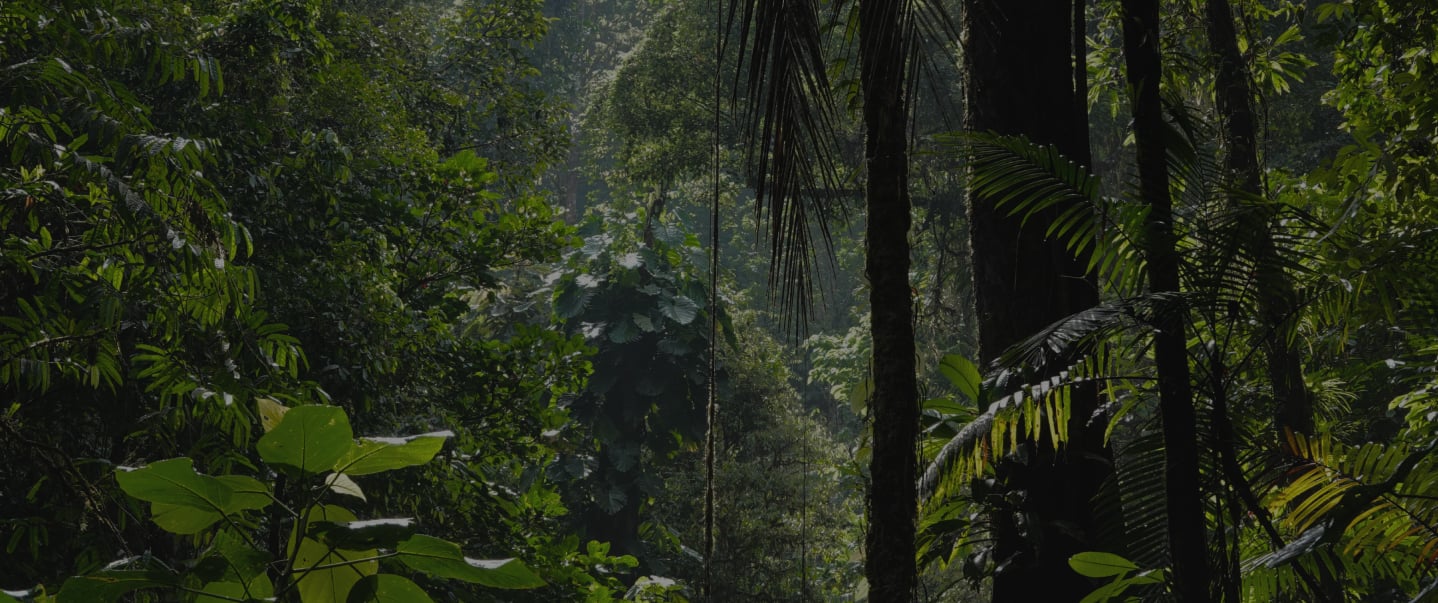
This program offers volunteers the opportunity to get involved in various aspects of on-going community conservation work in southeast Madagascar, working with a multi award-winning charity. The unique coastal littoral forests in this area are home to numerous endangered and endemic species of flora and fauna, and, as such, the remaining forest fragments are a high conservation priority. The deforestation of these forests is not only threatening the survival of the endangered wildlife, but also the quality of life of the impoverished local communities.
This project seeks to mitigate the problem of deforestation, and aims to sustainably protect these fragile forest fragments. Volunteers can choose from five modules which cover the different aspects of this conservation work. These 2-week modules in Lemur study, Environmental Education, Research and Monitoring, Reforestation and Construction can be taken individually, or combined, so individual programmes can be between 2 to 10 weeks long.
This was one of the best experiences of my life. I enjoyed doing physical work, being part of the Andramanaka community, learning about Madagascar and its culture, feeling that I was doing something positive
Rebecca Siegel
What Difference Does This Project Make?
This program makes a sustainable and measurable difference by contributing to the conservation of biodiversity in one of the world's most important hotspots. We work closely with local communities to develop more sustainable ways of living; provide resources to communities to live in harmony with the forest; and undertake vital research on the endangered flora and fauna. Most importantly the program integrates research on endangered flora and fauna, in particular lemurs, with community initiatives such as reforestation and environmental education.
Highlights
Work with experienced conservation and development professionals on the ground on projects which work in partnership with local communites while living and working in remote areas with the unique and extraordinary flora and fauna of Madagascar. This project allows you to experience the costal forests of this exotic Island, researching rare species such as the ring-tailed lemur, Verreaux’s sifaka and the tiny mouse lemur as well as having a unique opportunity to experience the fascinating Malagasy culture.
Location
This program is based in the beautiful coastal village of Sainte Luce in southeast Madagascar, approximately 40km north of Fort Dauphin. The village is surrounded by some of the largest and most intact fragments of littoral forest remaining in Madagascar and some extremely beautiful beaches, as yet undiscovered by tourists.
Field Conditions
Throughout your stay you will camp with the research team at the project’s permanent campsite. Field conditions are basic, but the camp sites are situated amid beautiful scenery and you will be living amongst the community, close to the forest fragments and the stunning beaches. Food is nutritionally balanced but locally sourced and simple. Volunteers should be prepared for physical work, adventurous road journeys, and sometimes long walks to reach remote and beautiful project sites. The work and lifestyle is challenging, but incomparably rewarding.
Duration and Costs
| Duration | Cost |
|---|---|
| 2 Weeks | £600 |
| 4 Weeks | £1150 |
| 6 Weeks | £1650 |
| 8 Weeks | £2150 |
| 10 Weeks | £2650 |
| Group Size |
|---|
| Maximum of 12 Volunteers |

UK site (change)
USA site
AUS site
IRE site
EU site


