Media Centre for Volunteer in Ghana
01727 250250
Lisa Bronstein
POPULATION SIZE UNKNOWN - WRITTEN BY LISA BRONSTEIN
(A THIRD YEAR MARINE BIOLOGIST AND A FIRST TIME GVI VOLUNTEER)
Imagine a terrifying place…
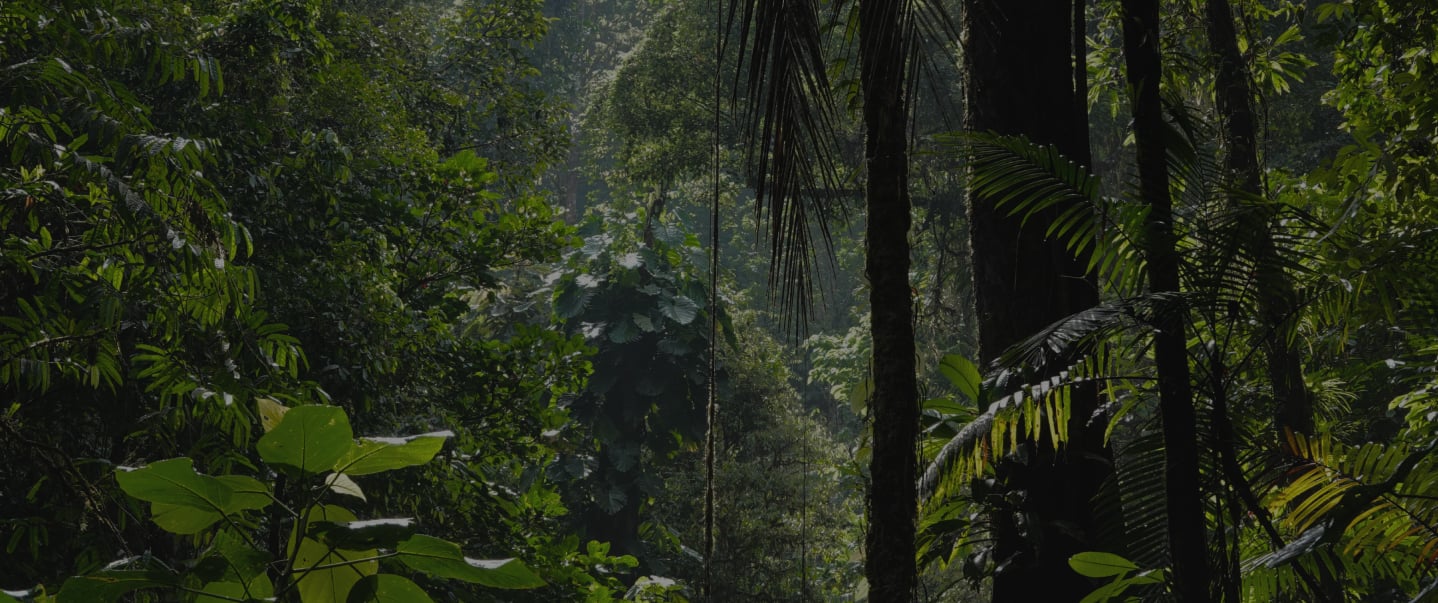
Picture somewhere dark and mysterious, with thick forests of towering trees, intertwined with murky rivers that could contain any number of ferocious creatures.
THE AMAZON
Although at night, the Amazon, dominating Northern Brazil can give a new meaning to ‘pitch black’, and contains some of the world’s deadliest animals, in reality, it’s a place of tranquillity and beauty.
My Arrival
I have always dreamed of going to the Amazon, but assumed it was one those places, that conventionally, people never actually go. When I landed in Téfé airport, I was hit by the sauna-like humidity, and can remember panicking, as I rummaged frantically through my backpack, for my malaria tablets. Until, I was interrupted by a young man, wearing a 'projeto boto' t-shirt, and with a broad smile he asked, "need some help?".
Soon, along with my two travelling companions I was taken to the port, on the way there was a flock of vultures circling overhead. One of the researchers informed us, that they were like our English pigeons in Trafalgar Square. Giggling, our bags were put onto small motor boats and we began our hour and half journey to the heart of the Mamirauá reserve. On the way, the researchers explained all they knew about the Amazon, it was fascinating and as the trees towered above, I remember thinking that the beauty of this place, exceeded all my expectations.
Living on a floating house
When we first arrived at the floating reserve, house, dedicated to researching Amazon dolphins, we were light heartedly instructed to, ‘Come and see the English monkey’. From the back of the house, a huge white furry monkey with a red face, suspended from the branch of a huge tree, the animal is supposed to resemble a sunburnt English man. We all burst out laughing, and I could tell that this experience was going to be relaxed and fun.
It was bizarre at first, but soon after a few days, living on this vast lake system felt like luxury, obviously it was not a five star hotel, but within a few days, this princess was doing household chores, washing her clothes in the river and fishing for piranhas.
My first Boto
"Wow", how else can I can describe the first time you see a dolphin, in it’s natural habitat?
I saw my first ‘boto’, a pink river dolphin, very unexpectedly on an evening observation, the researcher had impulsively halted the boat and we were all sitting very still, then suddenly, there was a noise, like a short burst from a trumpet under water and right next to the boat, the nose of a bright pink dolphin elevated out of the water. Then its whole body followed, rising above the surface of the water and then it was gone, it was breathtaking.
From that day on, on every third day at 6am I got up to spend 9 hrs on the boat searching for dolphins, the time went so quickly and the early starts were easy, when you knew you were only going to be in this wondrous place for two weeks. Often we would sit in one spot for ages and just as we were about to move on, we would be surrounded by about twenty dolphins frolicking in the water.
‘Tucuxi’, small grey dolphins also frequently jumped right of the water in front of us.
The researchers spoke English and often; enlightened us on what they had to do on these observations, described the markings that they had imprinted on the dolphins, why they thought it necessary to track the dolphins and how to know where the dolphins will surface. The researchers also explained how to analyse the data they had collected from that day’s observation. They are ultimately trying to find out the population size of the dolphins in the Mamirauá reserve and observe them, in the hope of learning about their life history, behaviour, ecology, physiology and movements.
Days off
The researchers had one day off a week, which they spent entertaining us, we would feed a wild caiman nicknamed ‘dorathaya’ at the back of the floating house, spot monkeys or visit the botany and fish reserves. The people working on these reserves were warm and friendly and told us all about what their research involved.
We got on well with the locals and they invited us to an indigenous dance, called the ‘Brincadta Indigtna’, in which everyone participated from the youngest girl to the oldest man. We also played football with them, which was very amusing, especially as I managed to tackle a Brazilian!
To wrap it all up, I am just so glad that I had the chance, to go on this unforgettable adventure and to encounter some extremely welcoming and intelligent people. The dolphins were astounding.


